The average menstruating person will use around 11,000 disposable period products in their lifetime. Most of those products will still be on this planet long after the person who used them is gone.
That’s not an exaggeration – it’s a calculation. Most commercial pads have a plastic backing, a synthetic topsheet, and packaging that wasn’t designed to biodegrade. Things that existed before you were born will, in all likelihood, outlast you. Which makes the arrival of “plant-based” period products an interesting development – and raises a fair question: is this genuinely better, or just very well-marketed?
The science suggests there’s some ground to both arguments.
What “Plant-Based” Actually Changes, Materially.

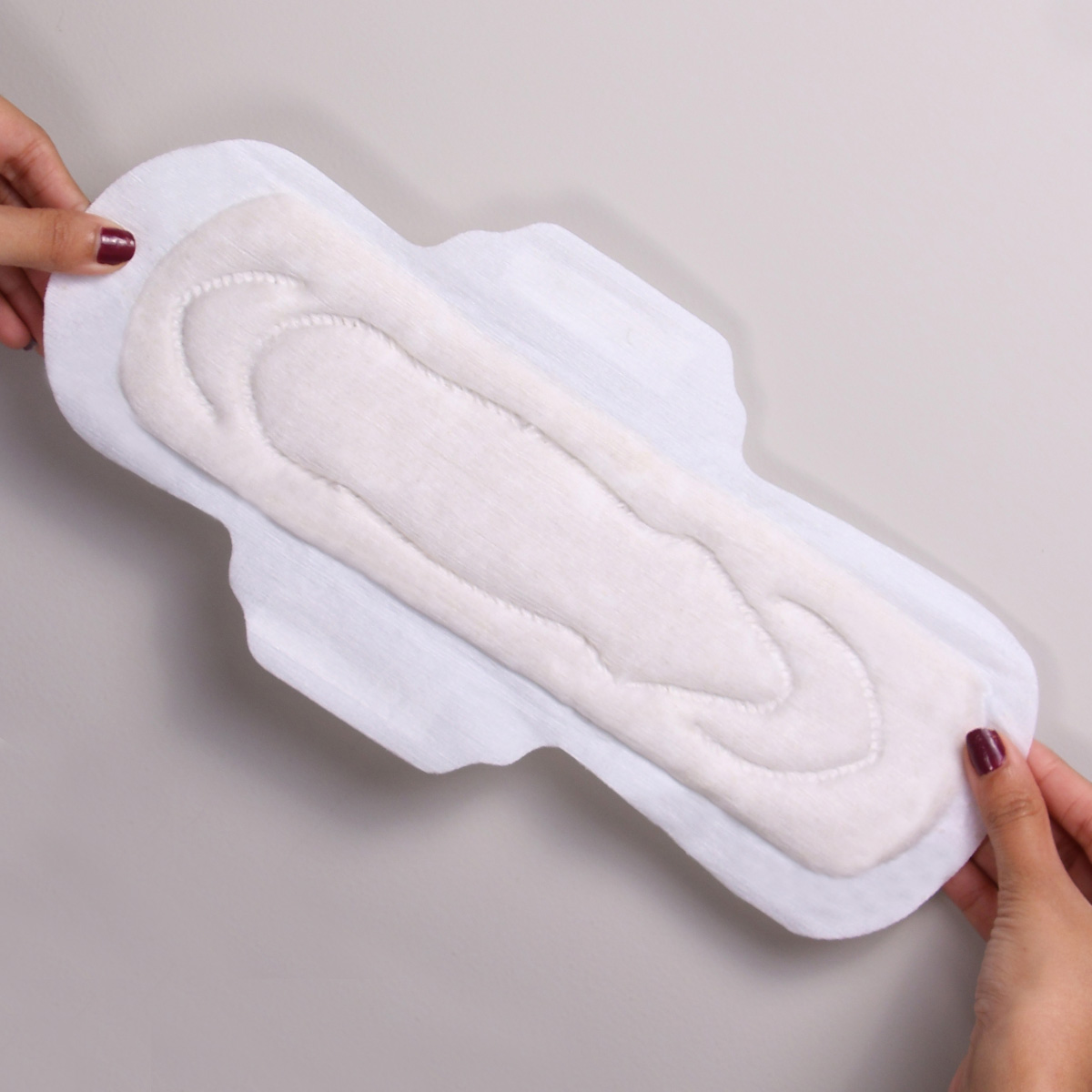
A standard commercial pad is, for the most part, plastic. Not the dense variety you’d find in a water bottle, but plastic nonetheless. The leak-proof backing, the synthetic topsheet, and often the absorbent core are all petroleum by-products. Some environmental studies estimate that the plastic in a single standard pack of pads is roughly equivalent to four plastic bags.
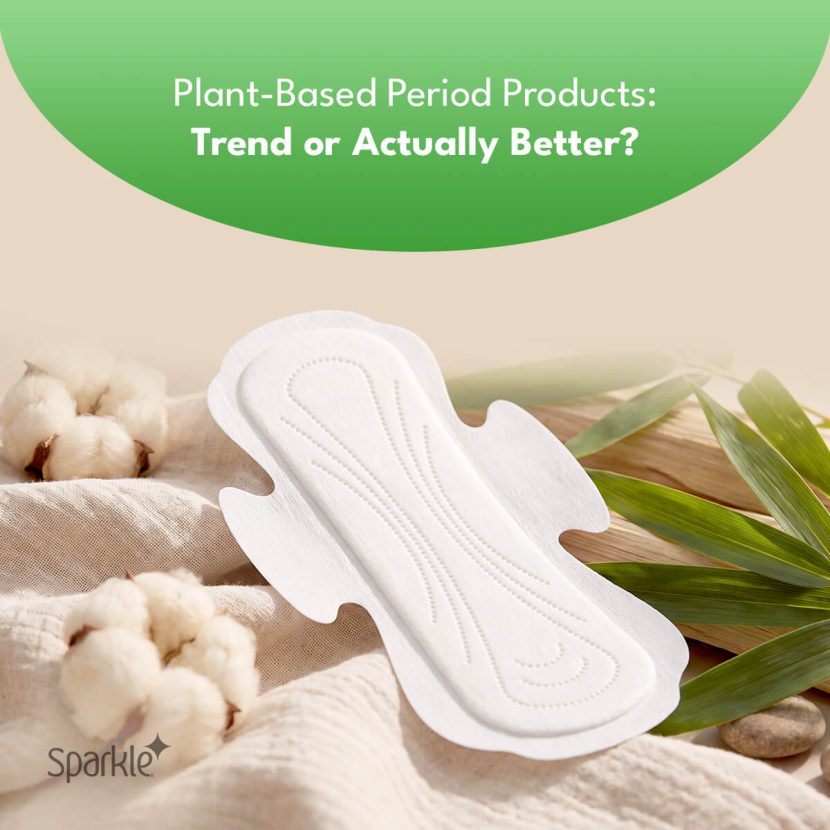
Plant-based alternatives typically swap those petroleum-based materials for cotton, cellulose, bamboo, or other plant-derived alternatives. And this matters – not just because it sounds better on a label, but because plastic doesn’t biodegrade easily. Depending on conditions, it can persist in a landfill for centuries. Plant-based materials, by contrast, can break down much faster.
The Environmental Case, Backed by Lifecycle Data.

When sustainability scientists assess a product’s environmental impact, they look at the full picture – energy required to produce it, and energy required to dispose of it. By both measures, plant-based pads tend to fare better than their conventional counterparts. They require less energy to manufacture and are more readily biodegradable at end of life.
Neither product has a particularly clean footprint – both still consume natural resources to make and distribute. But the lifecycle data does support plant-based alternatives as a meaningful improvement over standard commercial pads.
The Case That Doesn’t Get Talked About Enough: Your Skin.

Here’s something that often gets left out of the sustainability conversation: the materials that are better for the environment also tend to be better for your body. And for reasons that are actually related.
Petroleum-based plastics trap heat against the skin, retaining moisture and creating conditions where irritation and rashes are more likely to develop. Plant-based materials, generally speaking, are more breathable – which means less heat build-up, less moisture retention, and less likelihood of your skin staging a protest by day two of your period.
So the environmental argument and the comfort argument are less separate than they might seem.
Trend or Actually Better?

It depends on what you mean by trend. “Plant-based” used as a vague marketing term with no real material change behind it? That’s greenwashing, and it exists. But as a tangible shift in the actual materials used – less plastic, more biodegradable alternatives – it represents a genuine improvement over standard products.
What separates one from the other is a basic level of material literacy. Looking past the leafy imagery and reading what’s actually in the product.
Why This Matters for Sparkle?

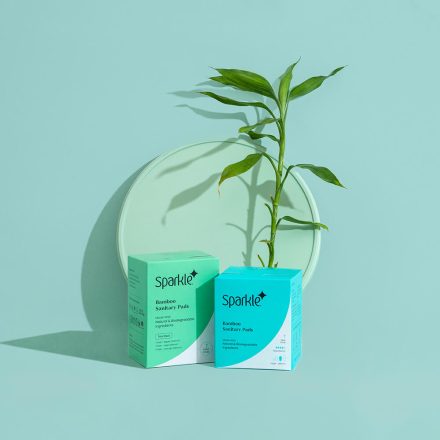
Sparkle sits in the category of products that back up the claim with the actual materials. The plant-based construction isn’t just a marketing angle – it’s what makes Sparkle a more comfortable option for sensitive skin that would otherwise react to conventional synthetic pads, while also being kinder to the planet. That’s what most sustainability scientists would call a genuine win-win.
When you’re looking for period products that are actually better for the environment, don’t look at the pretty leaves on the packaging. Look at what’s listed inside.
Sparkle is a period care brand designed to reduce the environmental impact of your menstrual cycle without compromising on comfort or skin safety.