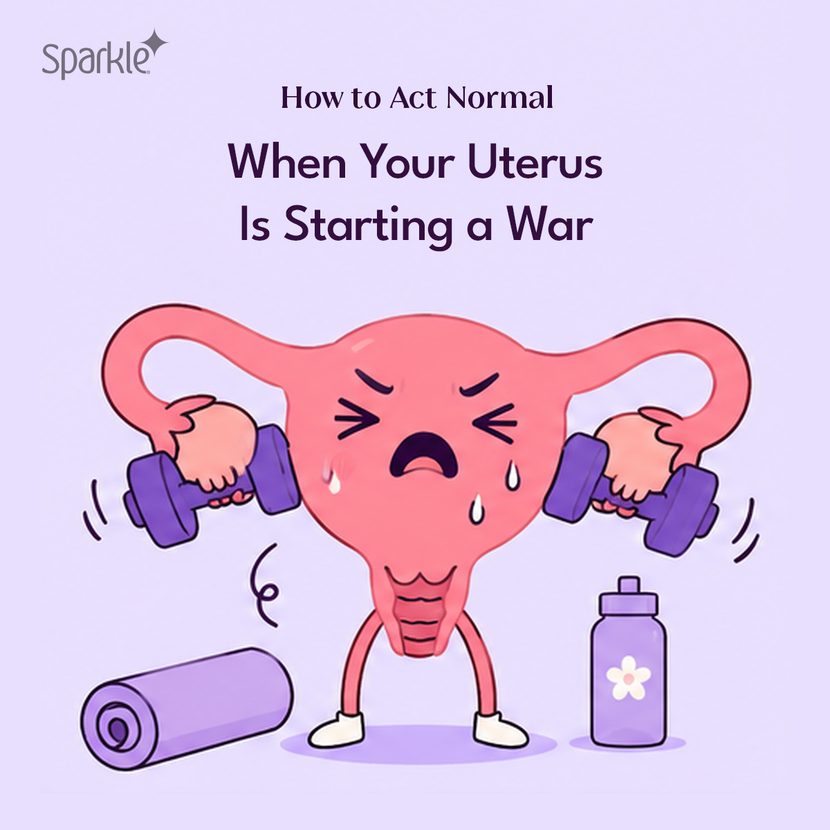
You’re sitting in a meeting – or a lecture, or a seminar – feigning interest in whatever’s being discussed, while your uterus is throwing a full-scale riot.
Nobody warns you that a significant portion of adult life will be spent convincing yourself and everyone around you that things are operating normally, even when your body is absolutely not cooperating. That sinking feeling when your period starts mid-presentation. The mental maths of counting minutes until you can excuse yourself to check for leaks, all while maintaining your best “yes, I’m definitely listening” expression.
If you’ve walked out of a meeting wondering how you just survived it – you’re not imagining things. It is physiologically harder to function during your period. Here’s why.
Your Focus Is Being Hit From Two Directions
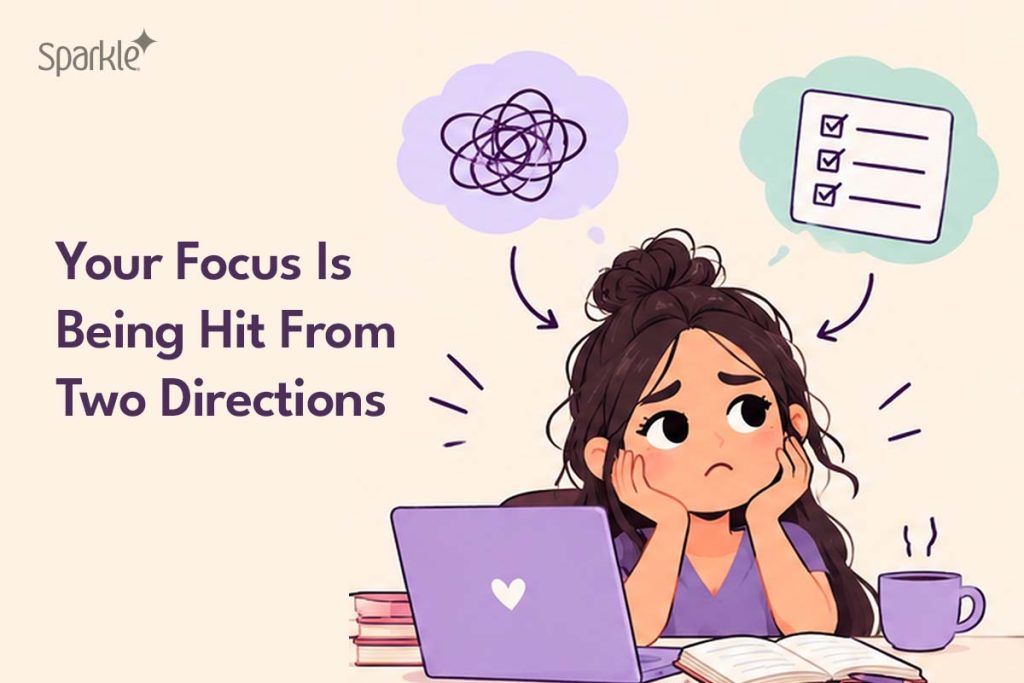
When your uterus sheds its lining, it produces prostaglandins to trigger contractions. But it also produces inflammatory molecules that research has linked to reduced cognitive performance – including impaired working memory.
On top of that, pain itself is taxing on your working memory. When you’re constantly monitoring discomfort and thinking about it, there’s less mental bandwidth left for anything else. You’re not bad at focusing. You’re just trying to do two difficult things at once.
The Hidden Work of Looking Fine

Not only are you working harder to pay attention – you’re simultaneously working to not appear as though anything is wrong.
This is what psychologists call emotional labour: the effort required to regulate your visible emotions so you don’t come across as unprofessional or difficult. Everyone does it to some degree. Customer service workers who have to smile regardless of how they feel. Anyone who’s ever had to keep their face neutral while internally calculating how many minutes until their next painkiller.
During your period, you’re doing this at a high level, for extended periods, while already exhausted. Keeping a neutral expression when you’re in real pain takes constant, conscious effort. And that effort adds directly to the fatigue you’re already feeling. It’s a lot. It counts. And it’s worth acknowledging.
Ways to Actually Make It Easier

These aren’t glamorous. But they work.
Lower your performance standard – privately.
You don’t have to announce it to anyone. But privately acknowledging that this is a protected day, and that you might not operate at your usual level, takes the pressure off. It’s harder to feel like you’ve failed yourself when you’ve already given yourself permission to do less.
Schedule extra breaks in advance.
Not just the usual ones – add a few short ones specifically for yourself. A five-minute walk, some fresh air, or just sitting somewhere quiet. Your body and your brain both benefit from the reset.
Have your supplies sorted before you need them.
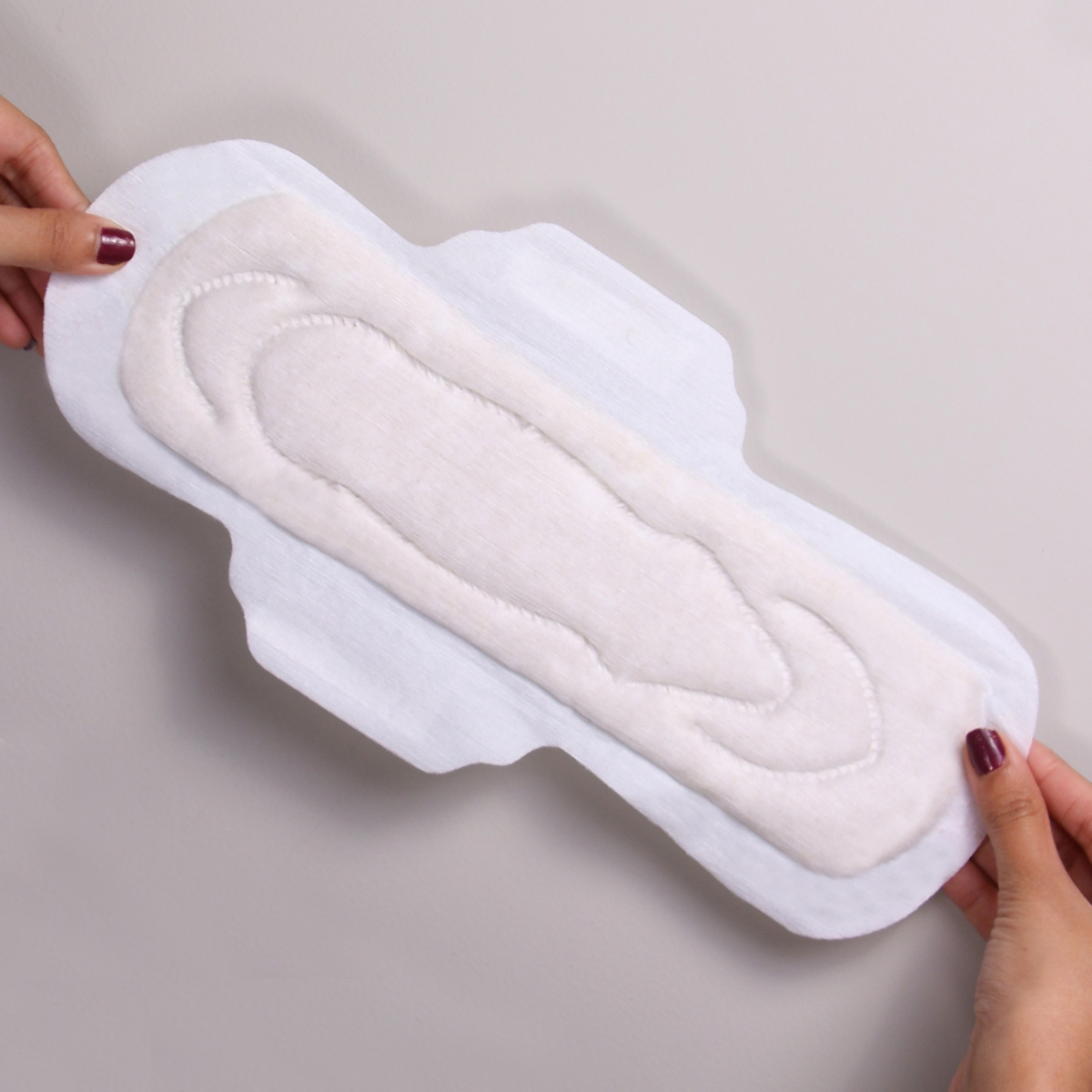
Running out of period products mid-day is a specific kind of stress your brain really doesn’t need. Keep what you need in your bag – ideally in a dedicated pouch so you’re not rummaging around when you’re already uncomfortable. A period pouch with Sparkle plant-based pads and other supplies already in it means one less thing to think about, which frees up more mental space for everything else.
Match your tasks to your energy levels where you can.
If you have any flexibility over your schedule, save the heavier work for days when you feel more capable and keep the lighter tasks for the harder days. Pacing yourself isn’t laziness – it’s just working with your body instead of against it.
You’re Not Failing at Normal. Normal Is Just Harder That Week.

There’s a persistent idea that you should be able to perform at full capacity regardless of what your body is doing. That’s not realistic, and it’s worth pushing back on – at least in your own head.
There are times when your body is operating at a lower level than usual. That’s not a character flaw. It’s physiology. Managing your period better doesn’t mean hiding it more convincingly. It means getting yourself the support and space you actually need.