You cried at your desk over a Slack notification and genuinely have no idea where that came from. Hormones? Work? Just the general experience of being alive right now?
There’s no cheat sheet for navigating adulthood – bad days don’t come with a label explaining their origin. PMS, burnout, and life being generally too much can be genuinely hard to tell apart, because they intertwine constantly and produce symptoms that look almost identical. The first step to actually supporting yourself is figuring out which one you’re dealing with. So let’s break it down.
PMS Is Not a Personality Trait. It’s a Hormonal Shift.
Premenstrual syndrome is a clinically recognised diagnosis. It refers to the collection of physical and emotional symptoms that arise from hormonal changes during your luteal phase – the second half of your menstrual cycle. Progesterone rises during the first half of your cycle and then drops sharply if you’re not pregnant. Oestrogen follows. That sharp drop impacts serotonin and GABA levels in your brain, which is where the irritability, sadness, extreme fatigue, and lower emotional resilience come from.
The most distinguishing thing about PMS is that it’s directly tied to your cycle. If your symptoms consistently show up around the same point every month and ease once your period starts, PMS is the most likely explanation.
Burnout Has a Scientific Definition Too. And It’s Not a Personality Trait Either.
According to the World Health Organisation, burnout is a syndrome characterised by feelings of exhaustion, detachment, and decreased accomplishment – the result of chronic, unmanaged work-related stress.
The key difference between PMS and burnout is this: burnout requires a consistent stressor that’s been present for a long time, without enough rest in between. The mechanism is well-researched. Chronic stress activates the hypothalamic-pituitary-adrenal axis, which raises cortisol, adrenaline, and norepinephrine – essentially keeping your body in a near-constant state of fight-or-flight, with no real breaks.
Because burnout requires sustained stress without recovery, it’s easy to see how it can overlap with PMS or just a generally overwhelming stretch of life.
But Sometimes It’s Just Life Being Too Much. No Scientific Explanation Required.
There’s no shame in having a genuinely hard week or month. Deadlines pile up. Sleep goes missing. Random circumstances stack in the worst possible order. And sometimes the cause isn’t your cycle or your work-life balance – it’s just a lot of things happening at once.
The issue with trying to label everything as PMS or burnout is that some situations genuinely don’t fit either category. Life throws curveballs. You’re allowed to just be having a difficult time without a diagnosis attached to it.
How to Actually Tell Them Apart
PMS vs. burnout: If your symptoms consistently appear around the same point in your cycle and lift once your period starts, that’s PMS. If they show up inconsistently throughout your cycle but track closely with your workload and stress levels, burnout is more likely. Rest is also a useful indicator – if a good night’s sleep or the arrival of your period helps, the cause is probably PMS. If nothing seems to help, you might be looking at burnout or something else entirely.
Life circumstances vs. PMS or burnout: If your symptoms reliably appear at the same point in your cycle or are clearly linked to sustained stress, you’re probably dealing with PMS or burnout. If the difficult stretch feels tied to a specific situation – a move, a loss, a chaotic month – it might just be life doing what it does.
There’s No Cheat Sheet, But Paying Attention Helps
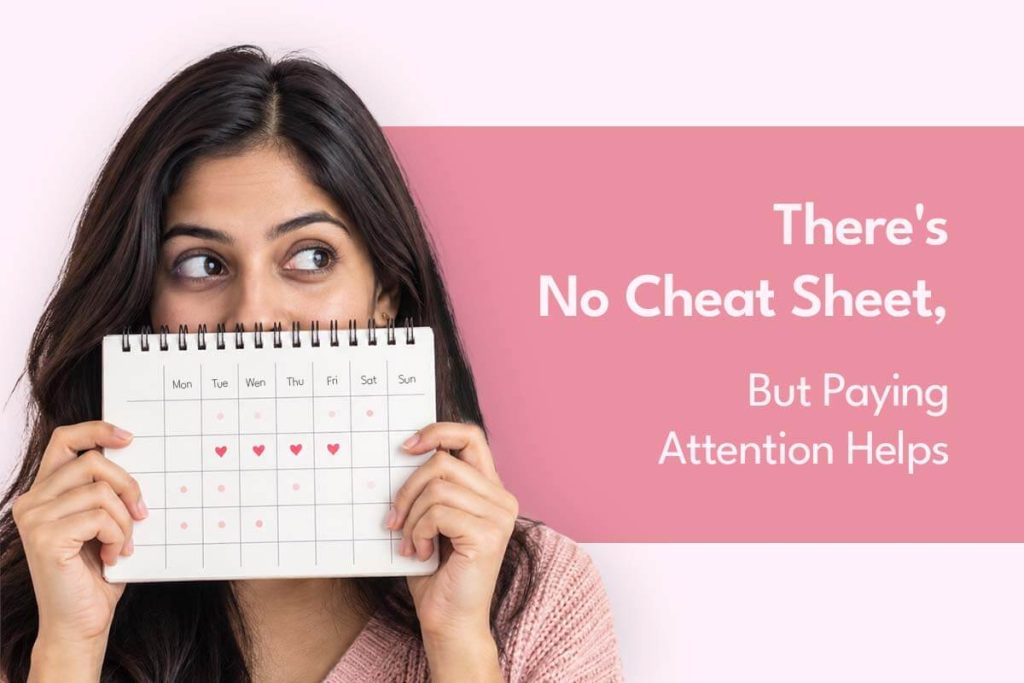
You don’t need to fully understand how your symptoms interact with your cycle to start supporting yourself better. Tracking your cycle alongside your mood and energy levels for a few months can reveal patterns that make a real difference – suddenly “why do I feel like this?” has a slightly more useful answer.
Once you start recognising those patterns, it becomes easier to work with them. If you know your PMS hits hard in the luteal phase, you can protect that time a little more. If you’re burned out, the fix is boring but real: rest, and addressing the stressor where you actually can.
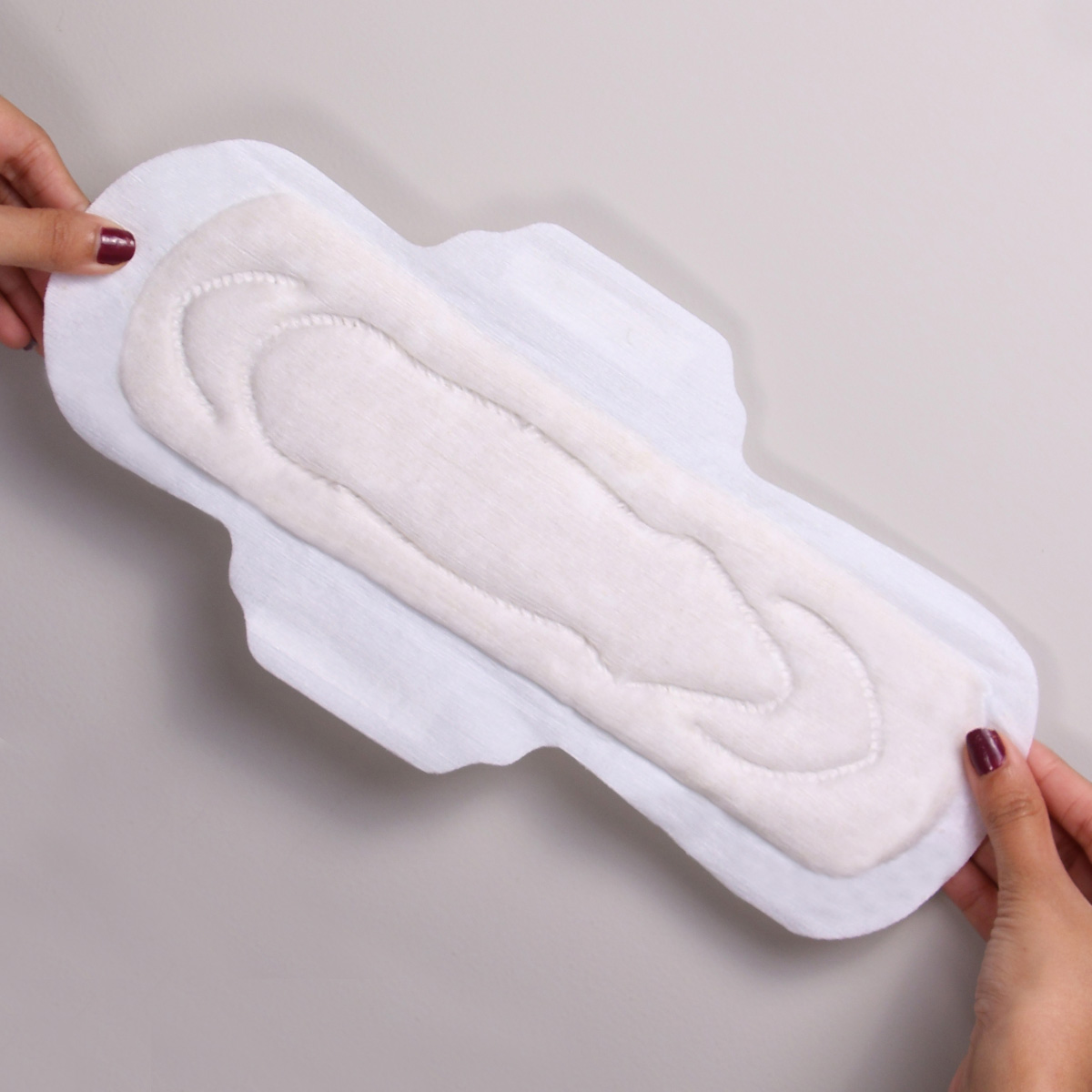
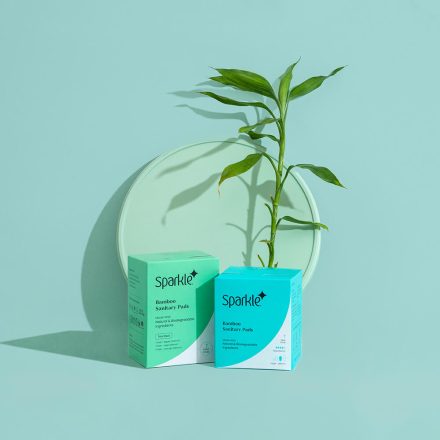
This is also part of why we designed Sparkle the way we did. Plant-based materials, no harsh synthetics, nothing that’s going to add to what your skin is already dealing with – because periods don’t wait for a convenient week, and sensitive skin doesn’t take time off just because your schedule is chaotic. Having period care that’s genuinely gentle should be a reliable constant, whatever else is going on.
You don’t have to be able to label what you’re feeling to take care of yourself. Your body is asking for support. That’s enough reason to give it.
This article is for informational purposes only and is not a substitute for medical advice. If your symptoms are severe or persistent, please speak to a doctor or a mental health professional.